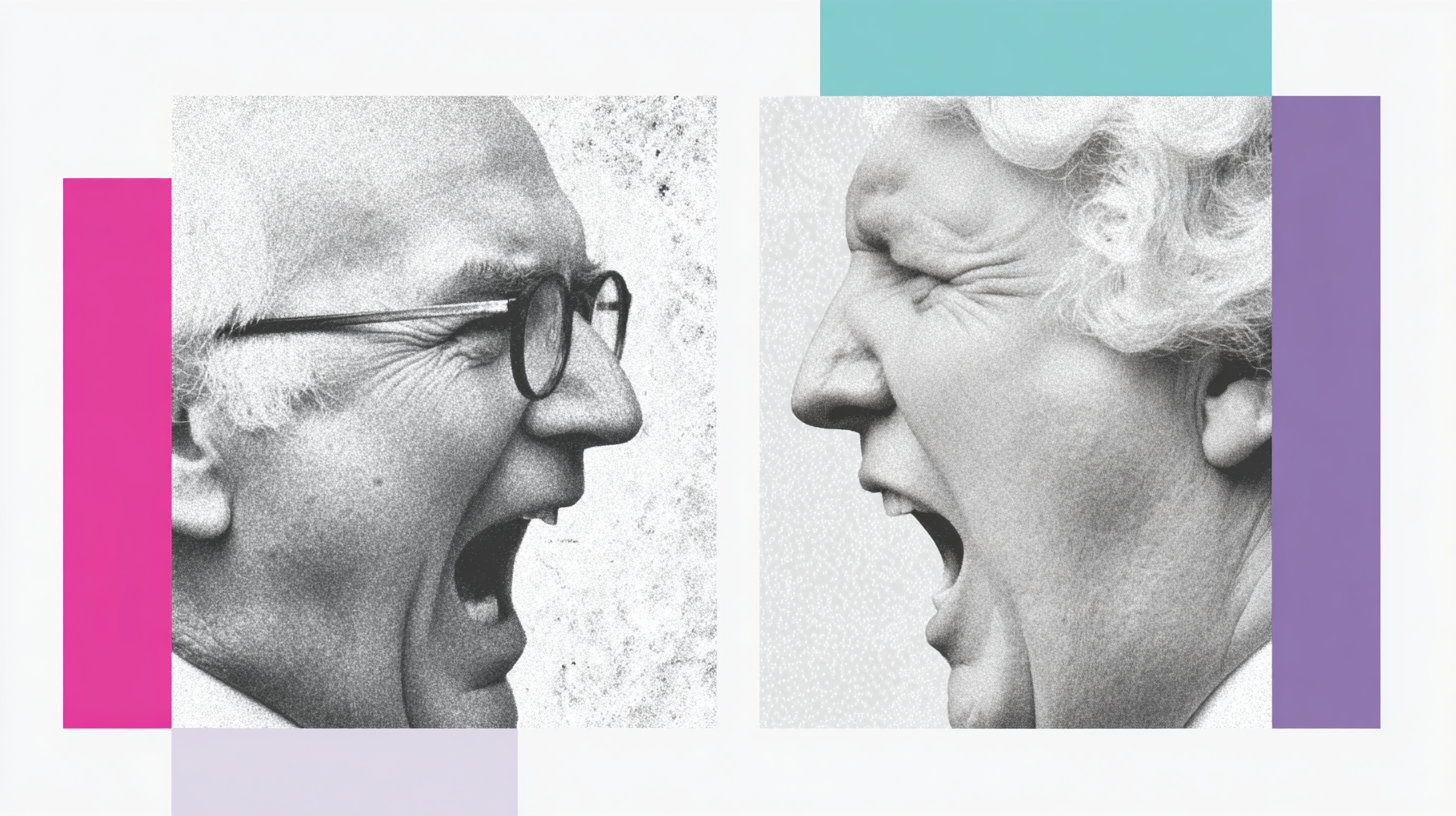
What is conflict in storytelling?
Conflict is the engine that keeps your story moving. It is the struggle between opposing forces that creates tension and interest. Without conflict, your story might feel like a snooze fest at a tea party. (You don’t want to write a story where readers will fall asleep halfway through!)
Examples:
- External conflict such as a battle, rivalry or natural disaster
- Internal conflict like a character’s doubts or moral dilemmas
- Interpersonal conflict between characters with opposing goals
Tips:
- Identify your story’s main conflict early on
- Use conflict to reveal character traits and growth
- Make sure conflict escalates as the story progresses
Further reading: Story by Robert McKee
Why is conflict important for your story?
Conflict creates stakes and challenges that keep readers hooked. It drives characters to make decisions and change. Without it, the plot can feel flat, like a biscuit without the tea.
Examples:
- Harry Potter’s battle against Voldemort
- Elizabeth Bennet’s clash with Mr Darcy’s pride
- Frodo’s struggle against the ring’s corrupting power
Tips:
- Show the consequences of conflict to raise tension
- Balance conflict with moments of relief and hope
- Tie conflict to your story’s theme
Further reading: Conflict & Suspense by James Scott Bell
How do I create compelling conflict?
Compelling conflict should feel personal and relatable. It needs clear stakes and obstacles that matter to your characters. (I once wrote a villain so petty, even the hero felt sorry for them.)
Examples:
- A character torn between love and duty
- A society divided by class or beliefs
- A race against time to stop a disaster
Tips:
- Develop your antagonist or opposing force well
- Make sure conflict affects multiple characters
- Use surprise twists to keep conflict fresh
Further reading: The Anatomy of Story by John Truby
How can conflict drive character development?
Conflict pushes characters out of their comfort zones and forces growth. It reveals their true selves and can lead to redemption or downfall. (Avoid having a character change so much, readers need to keep checking back on the timeline.)
Examples:
- Katniss Everdeen’s transformation through rebellion
- Sherlock Holmes facing personal doubts and losses
- Jane Eyre’s struggle for independence and love
Tips:
- Link conflict to your character’s goals and fears
- Show how characters respond differently to conflict
- Use internal conflict to add depth
Further reading: Characters & Viewpoint by Orson Scott Card
How do I use conflict without overwhelming readers?
Too much conflict can tire readers or feel unrealistic. Balance is key to keeping readers engaged without exhausting them. (Don’t write a story so full of conflict that your readers will ask for a holiday.)
Examples:
- Alternating tense scenes with quieter moments
- Using humour or lightness to ease tension
- Providing resolutions or partial victories
Tips:
- Space out major conflicts for impact
- Use subplots to vary the type of conflict
- Remember to give your characters breathing room
Further reading: Mastering Suspense, Structure, and Plot by Jane Cleland