
What is writer’s block?
Writer’s block is that frustrating pause when the words refuse to flow, and your mind feels as blank as a freshly polished window. It’s the creative equivalent of your brain going on a mysterious coffee break. (You could find yourself writing a shopping list where your chapter is meant to be!)
Examples:
- Struggling to start a new chapter
- Staring at the screen without typing a word
- Feeling stuck on how to develop a character or plot
Tips:
- Accept that it happens to everyone
- Don’t pressure yourself to be perfect
- Take short breaks to clear your mind
Further reading: The War of Art by Steven Pressfield

Why does writer’s block happen?
Writer’s block can strike for many reasons. It could be fear of failure, perfectionism, exhaustion, or simply a lack of inspiration. Sometimes your creativity just needs a little nudge or a change of scenery.
Examples:
- Feeling overwhelmed by the story’s scope
- Doubting your writing ability
- External stress or personal issues
Tips:
- Identify possible causes and address them
- Create a comfortable, distraction-free writing space
- Set small, achievable writing goals
Further reading: Bird by Bird by Anne Lamott
How can I overcome writer’s block?
There are plenty of strategies to jumpstart your creativity again. From freewriting to changing your environment, the key is to keep writing in any form. (Sometimes I write a paragraph with my non-dominant hand just to shake things up.)
Examples:
- Freewriting whatever comes to mind
- Using writing prompts or challenges
- Changing your writing location
Tips:
- Write even if it feels terrible! You can edit later
- Experiment with different writing times
- Talk through your ideas with friends or writing groups
Further reading: Writing Down the Bones by Natalie Goldberg
Can taking a break help with writer’s block?
Sometimes stepping away from your work is exactly what you need. A proper break can clear your head, help you see your story from a fresh perspective, and return with renewed energy.
Examples:
- Going for a walk or exercising
- Reading a book outside your usual genre
- Engaging in a hobby unrelated to writing
Tips:
- Set a specific time for your break to avoid procrastination
- Use breaks to recharge, not to avoid writing indefinitely
- Reflect on what’s blocking your creativity during downtime
Further reading: Deep Work by Cal Newport
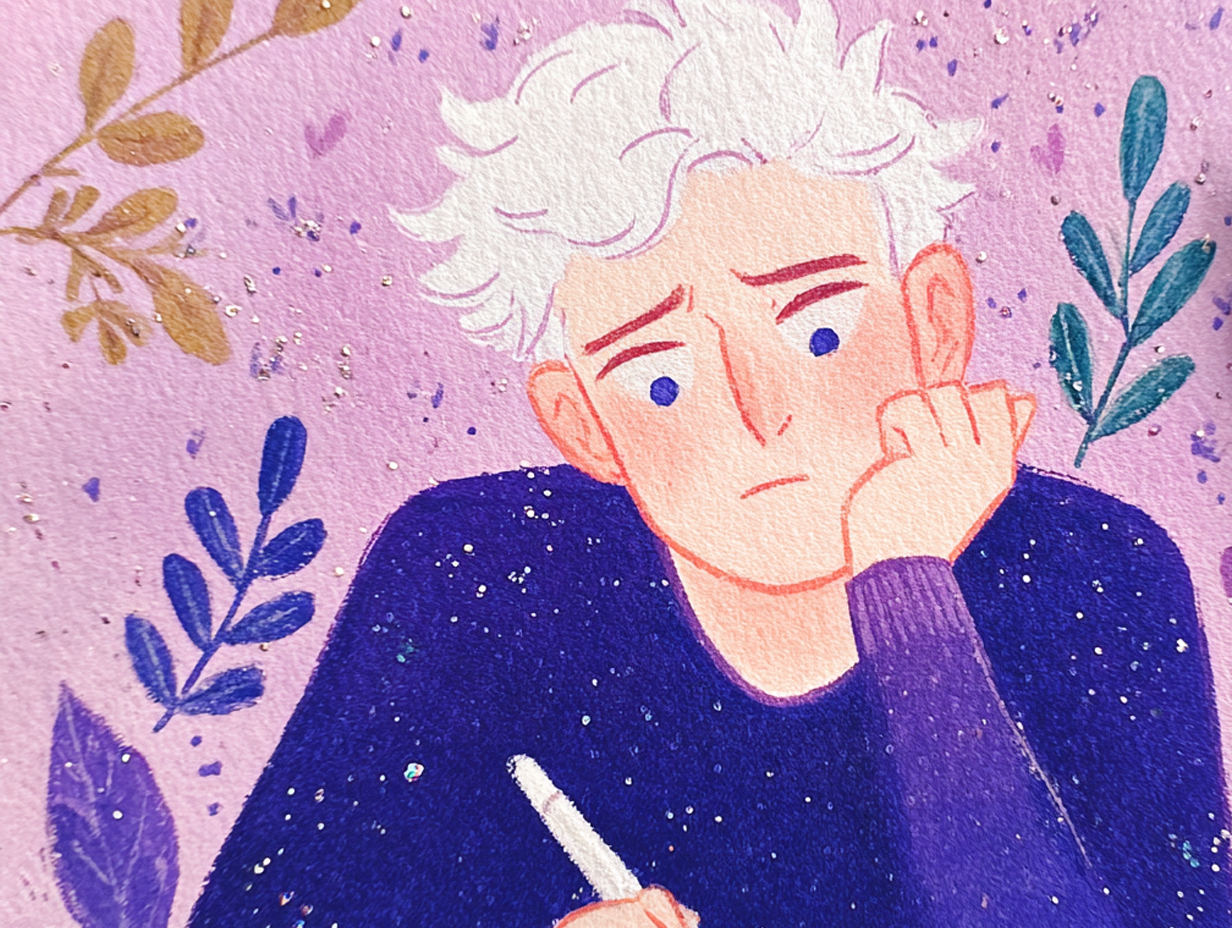
How can writing routines reduce writer’s block?
Creating a regular writing habit trains your brain to expect creative work and can reduce the chances of writer’s block.
Examples:
- Writing at the same time every day
- Starting sessions with warm-up exercises
- Setting word count or time goals
Tips:
- Keep routines flexible to avoid burnout
- Reward yourself for meeting goals
- Track your progress to stay motivated
Further reading: Atomic Habits by James Clear
Is writer’s block sometimes a sign to rethink your story?
Occasionally, writer’s block signals that your story needs a new direction or deeper development. It can be a blessing in disguise, encouraging you to pause and reconsider. (I once stalled on a chapter, only to rewrite it completely and improve the entire novel.)
Examples:
- Characters acting inconsistently
- Plot holes or dead ends
- Lack of emotional connection to the story
Tips:
- Outline or brainstorm fresh ideas
- Get feedback from beta readers or critique partners
- Don’t be afraid to make big changes
Further reading: Save the Cat Writes a Novel by Jessica Brody
When should I seek help for writer’s block?
If writer’s block drags on and begins to affect your mental health or enthusiasm, seeking support might be a good idea. Sometimes an outside perspective or professional guidance can make all the difference.
Examples:
- Persistent lack of motivation or joy in writing
- Anxiety or frustration around your work
- Feeling isolated or stuck
Tips:
- Reach out to writing communities or workshops
- Consider counselling if stress feels overwhelming
- Remember that many writers face the same challenges
Further reading: The Artist’s Way by Julia Cameron