What does novel structure mean?
Novel structure is the organised framework that shapes your story. It includes the sequence of events, pacing and how you build tension and resolution. (A novel with no structure will feel like a rollercoaster with no brakes!)
Examples:
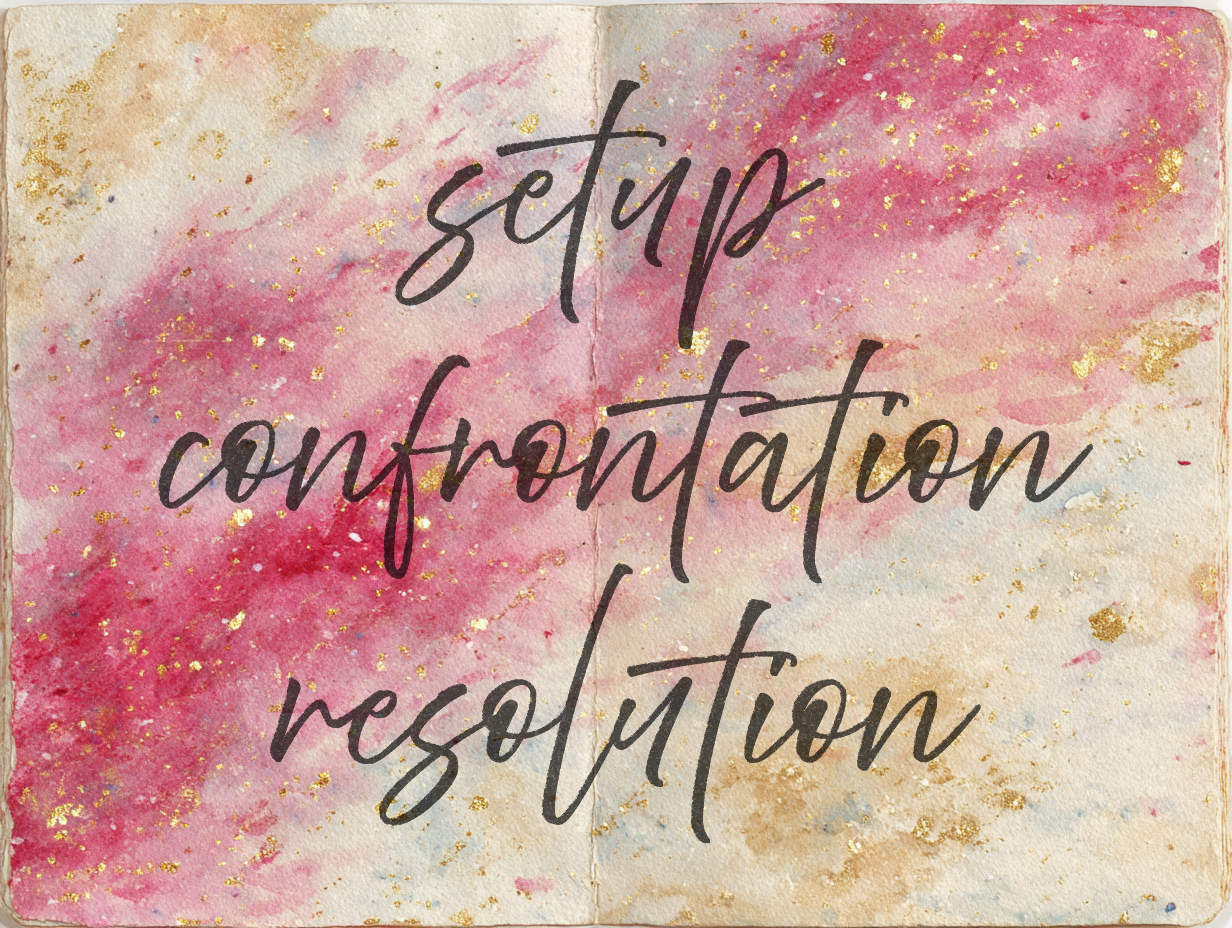
- The classic three-act structure: setup, confrontation and resolution
- The hero’s journey with its stages of adventure and transformation
- Non-linear structures that use flashbacks or multiple viewpoints
Tips:
- Choose a structure that fits your story and genre
- Outline key plot points before writing
- Use structure to guide pacing and character development
Further reading: Structuring Your Novel by K.M. Weiland
How do I plan my novel’s structure?
Start by identifying your story’s main conflict, turning points and climax. Break the plot into acts or sequences to see the flow clearly. (I like to map out my entire novel on sticky notes across my wall…)
Examples:
- Creating a chapter-by-chapter outline
- Using story beats to mark crucial moments
- Visualising the plot as a graph of rising and falling action
Tips:
- Keep your plan flexible to allow creativity
- Focus on cause and effect between scenes
- Ensure each scene moves the story forward
Further reading: Plot & Structure by James Scott Bell
How do I build tension and pacing?
Tension keeps readers hooked, while pacing controls the story’s rhythm. Vary scene length and intensity to maintain interest.
Examples:
- Alternating action scenes with slower, reflective ones
- Using cliffhangers at chapter ends
- Increasing stakes as the story progresses
Tips:
- Avoid too many slow scenes in a row
- Use shorter sentences for fast-paced moments
- Build towards a satisfying climax
Further reading: Mastering Suspense, Structure, and Plot by Jane Cleland
How do I handle multiple viewpoints?
Multiple viewpoints can enrich your story but need clear distinction to avoid confusion. Assign unique voices and perspectives to each character. (I once juggled three viewpoints and learned to give each a distinct style.)
Examples:
- Alternating chapters by different narrators
- Using first person for intimacy and third person for overview
- Showing contrasting opinions of the same event
Tips:
- Keep viewpoint switches clear and consistent
- Limit the number of viewpoints to avoid clutter
- Use chapter headings or breaks to signal changes
Further reading: The Art of Perspective by Christopher Castellani
How do I conclude my novel effectively?
A strong ending ties up major threads and delivers emotional payoff. Avoid rushed or unresolved conclusions that leave readers unsatisfied. (Sometimes you just got to keep rewriting until an ending truly resonates.)
Examples:
- Resolving the protagonist’s main conflict
- Showing character growth or change
- Leaving a hint of future possibilities without loose ends
Tips:
- Plan your ending early but stay open to changes
- Avoid introducing new plot points at the end
- Aim for a conclusion that fits your story’s tone
Further reading: How to Write a Great Ending by James Scott Bell
How do I refine my novel’s structure through revision?
Once you have a draft, the next step is to revise your novel. Drafting is only the first step. Revising helps your story flow logically, maintain tension, and provide a satisfying conclusion for the reader.
Begin by looking at your outline and comparing it to your draft. Check that all major plot points occur at the right times. Identify scenes that slow the story or repeat information. During this stage, you can cut, move, or expand scenes. A scene-by-scene checklist can help. Note the purpose of each scene, such as developing a character, moving the plot forward, or increasing tension. Remove any scenes that do not serve the story.
Pacing is part of structure. Review your chapters and sentences. Short sentences and paragraphs increase speed and action. Longer passages give readers time to reflect and understand emotions. You can move scenes or change viewpoints to see how the story improves. Even small changes can make the plot clearer and more engaging.
Check character development. Ensure the main character faces increasing challenges, makes meaningful decisions, and grows by the end. Supporting characters should also have arcs that connect to the main story without creating confusion.
Test the revised structure. Reading aloud, sharing with others, or using text-to-speech tools can reveal pacing problems or unclear sections.
Revision can take time but it improves the story. Careful scene review, attention to pacing, and consistent character development help create a clear and engaging novel from start to finish.